
Reliable industrial operations depend on equipment that performs predictably, meets clear specifications, and fits safely into a wider process. Established valve standards create a shared framework for design, materials, dimensions, testing, and documentation. Using a practical https://www.vincervalve.com/valve-standards-guide/ reference during planning helps teams align technical decisions, simplify procurement, and build confidence in valve selection and operation.
Creating Consistency From Design to Installation
Standards turn engineering expectations into measurable requirements. They help teams assess whether a valve suits its intended duty and connects correctly with surrounding equipment.
- Defined design criteria: Common requirements guide body construction, pressure ratings, connections, and performance.
- Consistent dimensions: Standardized measurements and flange details support accurate integration with piping systems.
- Material clarity: Recognized specifications help match components with operating temperatures, pressure, and process media.
- Repeatable manufacturing: Clear tolerances and inspection points encourage consistent quality across production batches.
- Simpler coordination: Shared technical language helps engineering, purchasing, installation, and maintenance teams work toward common objectives.
Strengthening Safety and Performance
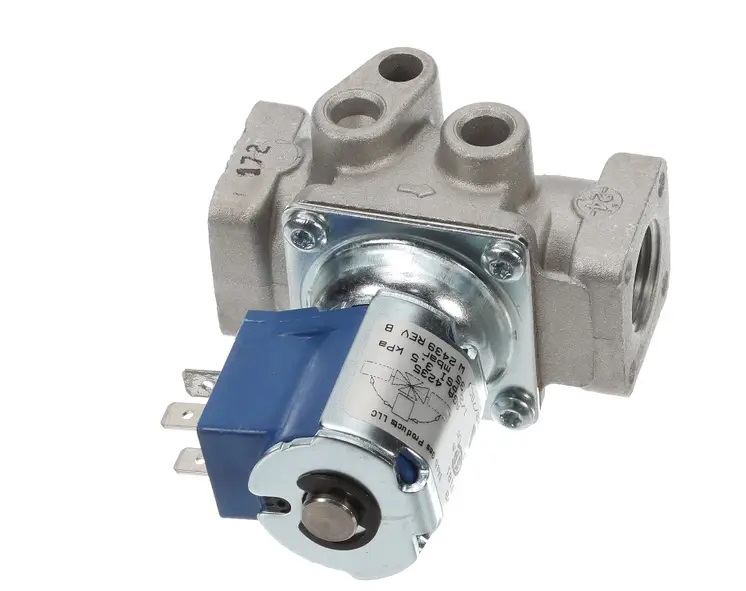
A valve must do more than fit a pipeline. It must maintain dependable control under expected service conditions. Established standards provide a structured way to evaluate performance before equipment enters operation.
- Pressure capability: Confirm pressure-temperature ratings against material and operating conditions.
- Leakage control: Apply suitable shell and seat testing to verify sealing performance.
- Operational suitability: Match valve type, actuation, flow characteristics, and response needs to the process.
- Traceable verification: Review inspection reports, test records, material details, and conformity documents.
- Lifecycle readiness: Choose designs that allow practical inspection, servicing, and replacement.
These checks support dependable operation, planned maintenance, and informed technical decisions.
Making Procurement More Effective
A clear specification reduces uncertainty before an order is placed. It gives suppliers and inspection teams a shared basis for confirming that delivered equipment meets project expectations.
Useful procurement practices include:
- Identify the governing design standard and applicable edition.
- State pressure class, temperature range, and process conditions.
- Specify body, trim, seat, and seal materials where relevant.
- Confirm flange, connection, and face-to-face requirements.
- Define inspection, pressure testing, and acceptance criteria.
- Request identification, certificates, and test documentation.
- Check that additional project requirements are addressed.
Keeping these details together makes reviews more efficient and supports consistent purchasing decisions.
Maintaining Confidence Throughout the Valve Lifecycle
Standards remain valuable after installation. Maintenance teams can use documented requirements when inspecting equipment, planning service intervals, or evaluating replacement options. Updated records also clarify the valve’s original design basis and operating limits.
A standards-focused approach encourages preparation, accountability, and continuous improvement. Teams gain a clearer view of equipment suitability, while operators benefit from predictable control and organized maintenance information. Combining sound selection with regular inspection helps preserve performance over time.
Established valve standards provide more than a checklist; they create a dependable structure for everyday decisions. When requirements are clear and consistently verified, organizations can strengthen operational confidence, support efficient fluid control, and plan improvements with assurance. For additional product and application information, consult https://www.vincervalve.com/fr/ as part of a thoughtful valve evaluation process.
Comments are closed, but trackbacks and pingbacks are open.