
Hot water systems rarely get much attention until something goes wrong, but they’re one of the more significant investments in any home. Between choosing the right type of system, deciding whether to repair or replace, and understanding what affects installation costs, there’s more to consider than most homeowners realize until they’re actually faced with the decision.
Types of Hot Water Systems
Before deciding on installation or repair, it helps to understand the main types of hot water systems available. Gas systems, whether storage or continuous flow, are popular for their reliability and relatively fast heating. Electric systems are often more affordable upfront but can be more expensive to run over time. Solar systems use rooftop panels to reduce reliance on gas or electricity, while heat pump systems extract heat from the surrounding air, offering an energy-efficient middle ground. A provider offering reliable hot water system installation and repairs in Perth can walk you through which option best fits your household’s hot water demands and energy priorities.
Each system type comes with its own installation requirements, running costs, and lifespan, so it’s worth understanding the basics before committing to one over another.
Signs You Need a Repair vs a Full Replacement
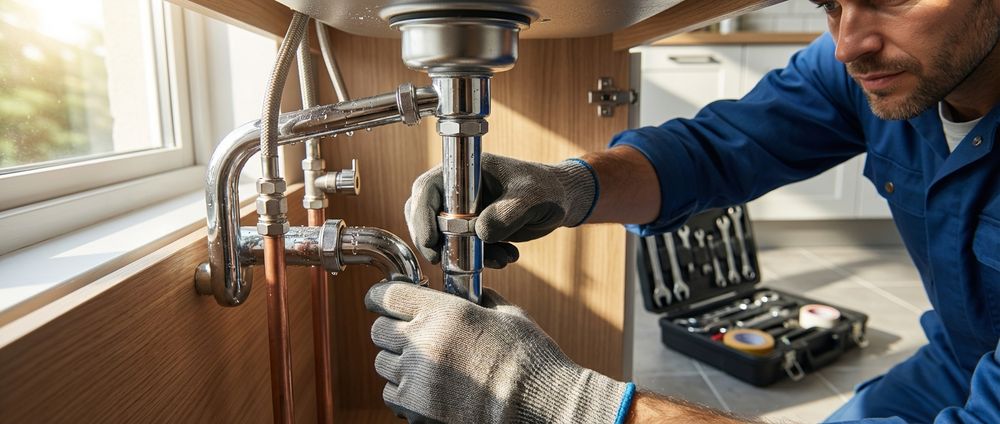
Not every hot water issue means you need a brand-new system. Minor problems, like a faulty thermostat, a worn-out heating element, or a small leak in a fitting, are often repairable and relatively inexpensive to fix. On the other hand, certain signs point toward replacement being the more sensible option: a tank that’s rusting from the inside, a system nearing or past its expected lifespan, or repairs that are becoming frequent and costly.
As a general guide, if your system is more than ten to fifteen years old and requiring repairs more than once every year or two, replacement often makes more financial sense than continuing to patch an aging unit.
What Affects Installation Cost
Several factors influence how much a new hot water system installation will cost. The type of system you choose plays a major role, with solar and heat pump systems typically costing more upfront than standard gas or electric options, though often saving money over time through lower running costs. The size of the unit needed for your household, based on the number of occupants and typical hot water usage, also affects pricing.
Installation complexity matters too. Replacing an existing system in the same location is usually more straightforward and affordable than installing a new type of system that requires different plumbing, gas, or electrical connections.
Choosing the Right System for Your Household Size
Sizing your hot water system correctly is one of the most important decisions in the installation process. A system that’s too small will struggle to keep up with demand, leading to cold showers during peak usage times. One that’s too large wastes energy and money heating more water than your household actually needs.
As a general starting point, smaller households of one to two people typically need less capacity than larger families of four or more, but usage patterns matter too. A household with multiple people showering back-to-back in the morning has different needs than one where hot water usage is spread throughout the day.
Finding a Qualified Installer
Hot water system installation involves gas or electrical connections, plumbing work, and compliance with local building codes, all of which require proper licensing and experience to handle safely. When choosing an installer, check that they’re licensed for the specific type of system you’re installing, and ask about warranty coverage on both the unit and the installation work itself.
A qualified installer will also be able to advise on the best system for your specific home and usage patterns, rather than simply installing whatever you initially had in mind.
Making a Confident Decision
Hot water systems are a long-term investment, and getting the installation or repair decision right can save significant money and hassle down the road. Understanding your system options, recognizing the signs that point toward repair versus replacement, and working with a qualified installer all help ensure you end up with a system that reliably meets your household’s needs for years to come.
Comments are closed, but trackbacks and pingbacks are open.