Advanced Techniques in Pneumatic System Design
Advanced techniques in pneumatic system design significantly enhance efficiency, reliability, and performance across various applications. One notable approach is the integration of advanced simulation tools that allow engineers to model and analyze pneumatic systems before physical implementation. These simulations help in optimizing component selection, such as valves and actuators, ensuring that the system operates under optimal conditions. Furthermore, computational fluid dynamics CFD simulations can delve into airflow characteristics, allowing for adjustments in design to minimize pressure losses and improve response times. By utilizing these tools, designers can predict potential issues, reducing the need for costly modifications during the prototyping phase. Advanced techniques in pneumatic system design focus on enhancing efficiency, reliability, and adaptability to meet evolving industrial demands. One key innovation is the integration of simulation software, allowing engineers to model system performance under various conditions, optimizing component selection and layout.
Another vital technique involves the use of smart sensors and automation technologies of pneumatic fittings distributor. Incorporating pressure, flow, and temperature sensors into pneumatic systems enables real-time monitoring and control. This data-driven approach allows for dynamic adjustments based on operational demands, ultimately leading to increased energy efficiency and reduced wear on components. Additionally, advanced control algorithms can optimize the operation of pneumatic systems by adapting to varying load conditions, thus enhancing performance while maintaining safety standards. By implementing these smart technologies, companies can achieve greater system reliability and performance consistency, which are crucial in industries like manufacturing and robotics. Additionally, the use of smart sensors and IoT technology enables real-time monitoring and data analytics, facilitating predictive maintenance and reducing downtime. Modular design approaches are also gaining traction, allowing for easier scalability and customization of pneumatic systems.
Finally, the concept of modular design in pneumatic systems is gaining traction, providing flexibility and ease of maintenance. Modular components can be easily replaced or upgraded without requiring a complete system overhaul, reducing downtime and costs. This approach also allows for scalability, enabling systems to be tailored to specific applications or expanded as operational needs change. By adopting modular designs, organizations can streamline the integration of new technologies and innovations, ensuring that their sklep pneumatyka systems remain competitive. The ultimate goal of these advanced techniques is to create more efficient, responsive, and adaptable pneumatic systems that can meet the evolving demands of various industries. Furthermore, advancements in materials science lead to lighter, more durable components that improve energy efficiency. These techniques collectively enhance performance, reduce operational costs, and ensure that pneumatic systems remain competitive in modern manufacturing environments.
Read More Advanced Techniques in Pneumatic System Design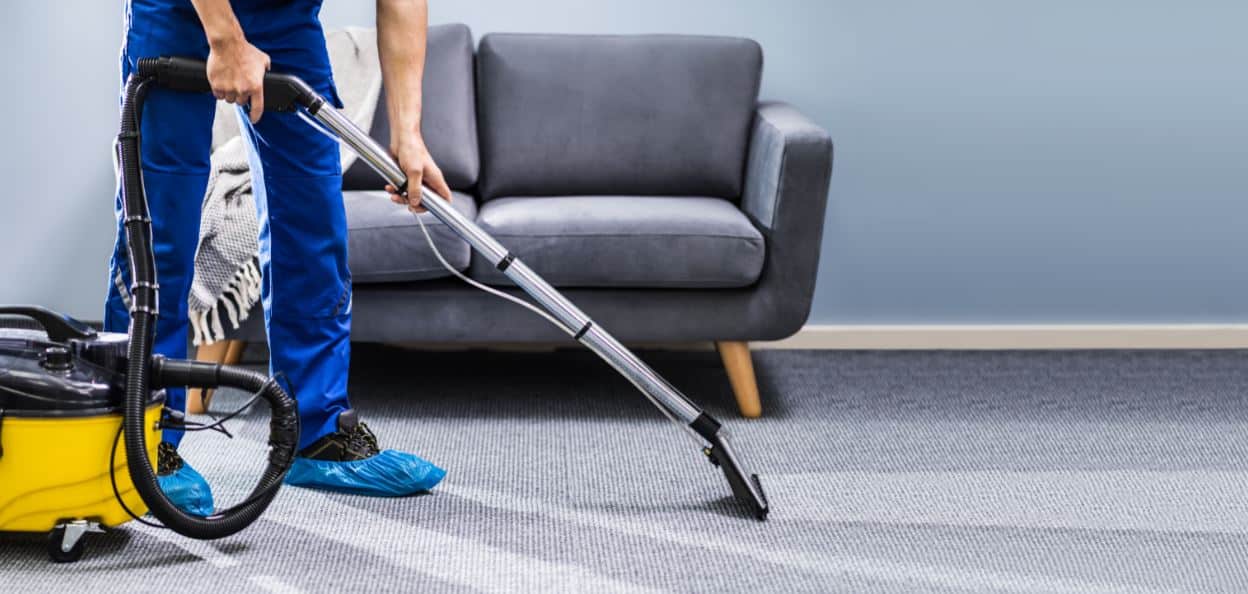 Another important feature is the inclusion of tailored cleaning plans based on the specific needs of the household. User-friendly services understand that homes with pets and children require special attention to high-traffic areas, stubborn stains, and odors. Many of these services offer personalized assessments before beginning the cleaning process, taking into account the type of carpet material, the presence of pets, and the specific concerns of the homeowner. This tailored approach ensures that every carpet is cleaned thoroughly and safely, extending its lifespan and maintaining its appearance. User-friendly carpet cleaning services often integrate advanced technology that not only makes the cleaning process more effective but also more convenient for the homeowner. For example, many services use low-moisture cleaning techniques or fast-drying methods that allow carpets to dry quickly after cleaning. This is a critical feature for families with children and pets who need to access their living spaces soon after cleaning. Quick-drying methods reduce the risk of slips, falls, and the spread of moisture-related issues such as mold and mildew.