
Kratom, a tropical plant native to Southeast Asia, has gained popularity in recent years as a supplement purported to offer various benefits, such as pain relief, mood enhancement, and increased energy. However, this surge in popularity has also led to a rise in concerns regarding its safety and efficacy. Understanding both the benefits and risks associated with popular kratom products is essential for making informed decisions about their use.
Benefits of Kratom Products
Pain Relief: One of the most cited benefits of kratom is its analgesic properties. Certain strains of kratom, particularly those with a higher concentration of mitragynine, can act as pain relievers. Users often report significant relief from chronic pain conditions such as arthritis or back pain. This has led many to use kratom as a natural alternative to prescription pain medications.
Mood Enhancement: Kratom is also known for its potential mood-boosting effects. Many users claim that kratom can enhance their overall sense of well-being, reduce anxiety, and alleviate symptoms of depression. This is thought to be due to the plant’s interaction with opioid receptors in the brain, which can lead to a feeling of euphoria and improved mood.
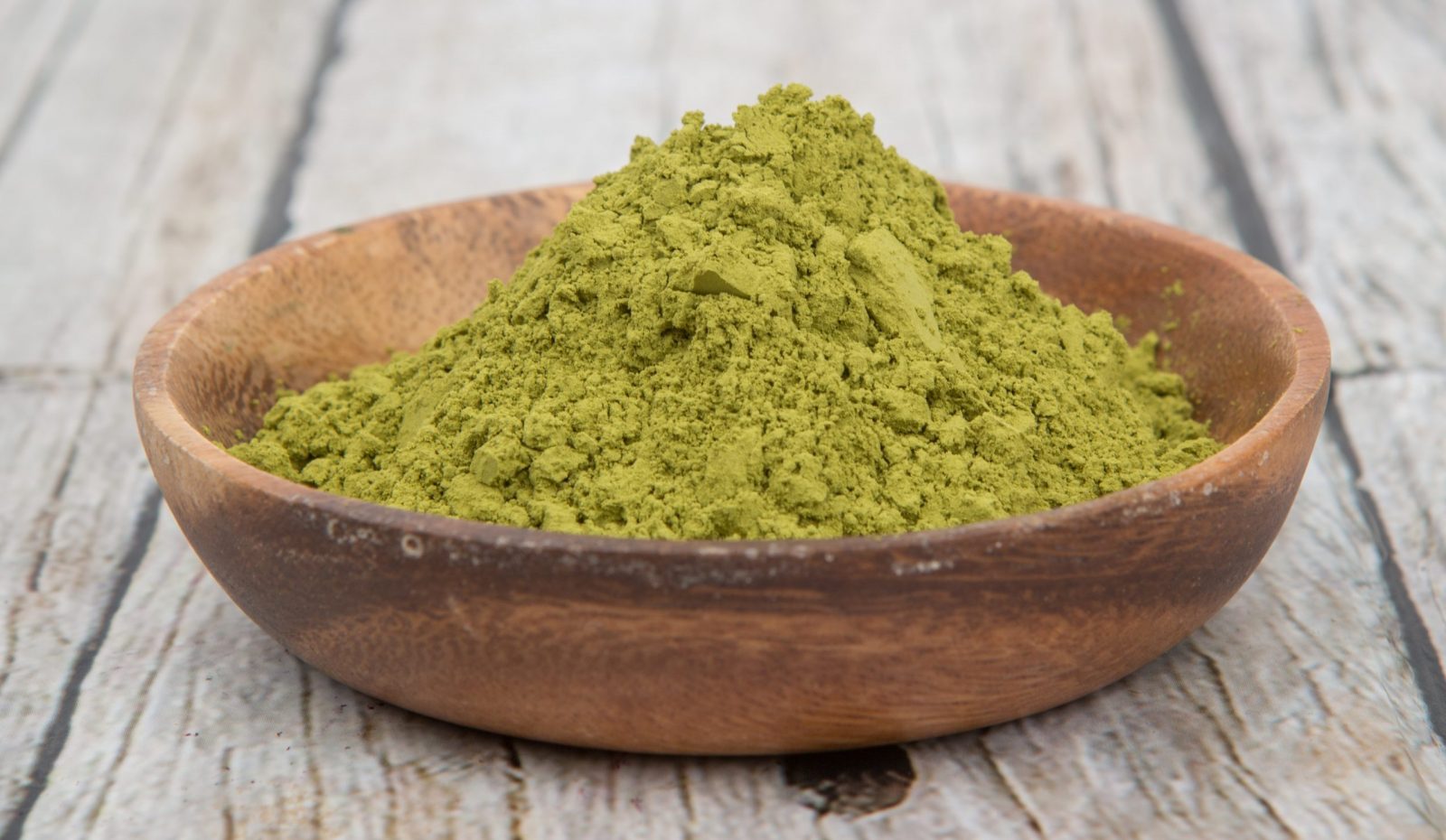
Increased Energy and Focus: Certain strains of kratom, particularly the white and green varieties, are reputed to provide an energy boost and improve focus. Users often take these strains in the morning or during periods of low energy to help with productivity and mental clarity.
Risks and Concerns
Addiction and Dependency: One of the most significant risks associated with kratom use is the potential for addiction and dependency. Kratom’s interaction with opioid receptors can lead to tolerance, requiring users to take increasing amounts to achieve the same effects. This can create a cycle of dependence similar to that seen with other substances.
Side Effects: Kratom use is associated with several side effects, which can vary depending on the dose and strain. Common side effects include nausea, constipation, dizziness, and headaches. At higher doses, users may experience more severe effects such as hallucinations, agitation, and seizures.
Lack of Regulation: Kratom products are largely unregulated in many countries, including the United States. This lack of regulation means that the quality, purity, and concentration of kratom in products can vary significantly. There have been reports of contamination with other substances, which can pose additional health risks.
Potential Drug Interactions: Kratom can interact with other medications and substances, potentially leading to adverse effects. For instance, combining kratom with other central nervous system depressants can increase the risk of respiratory depression and other serious side effects.
while kratom products may offer certain benefits such as pain relief, green vein borneo kratom mood enhancement, and increased energy, they also come with notable risks. The potential for addiction, side effects, and lack of product regulation highlights the need for caution. Users should carefully consider these factors and consult healthcare professionals before incorporating kratom into their wellness routines.
Comments are closed, but trackbacks and pingbacks are open.