
When selecting an adhesive for industrial-grade heat bonding applications, it is crucial to consider various factors such as temperature resistance, bonding strength, material compatibility, and environmental conditions. The perfect adhesive for such applications must be able to withstand high temperatures, endure thermal cycling, and provide a durable, long-lasting bond even in harsh environments. Adhesives that are specifically designed for heat bonding are typically formulated with high-performance polymers, resins, or silicones, which ensure they can maintain their integrity under extreme heat. One of the most commonly used adhesive types for industrial heat bonding is epoxy resin. Epoxies are known for their superior strength and excellent heat resistance. These adhesives are capable of bonding a wide variety of materials, including metals, plastics, ceramics, and composites, making them versatile for various industrial applications. Epoxy adhesives also have the added benefit of curing quickly when exposed to heat, which makes them ideal for high-speed production environments.
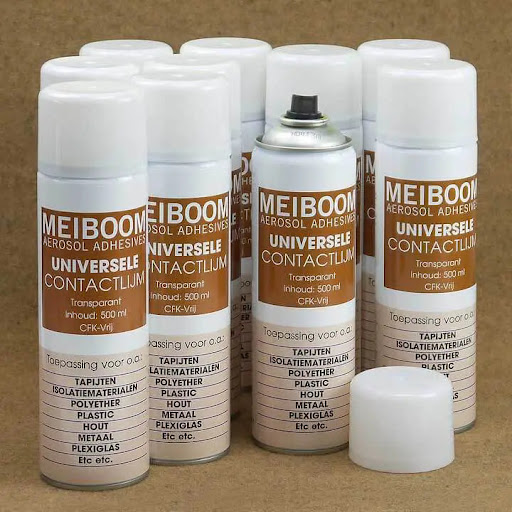
However, when choosing an epoxy adhesive for heat bonding, it is important to select one that is specifically designed for high-temperature applications to ensure it will perform as expected in challenging conditions. Silicone adhesives are another excellent option for heat bonding in industrial applications. Silicones are known for their exceptional thermal stability, often able to withstand temperatures ranging from -65°F to over 500°F, depending on the specific formulation. These adhesives maintain their flexibility and bonding strength even at elevated temperatures, making them suitable for use in industries such as automotive, electronics, and aerospace. Silicone adhesives also exhibit excellent resistance to weathering, UV radiation, and chemical exposure, further enhancing their suitability for outdoor and high-stress environments. For applications where both heat and mechanical stress are significant factors, polyurethane adhesives are often the preferred choice. Polyurethanes provide strong adhesion to a wide range of materials, including metals, wood, and plastics.
These adhesives are typically used in applications where a combination of flexibility and durability is required, such as in automotive manufacturing or construction. Polyurethane adhesives also offer good heat resistance, but their performance can be limited by extreme temperatures. Thus, selecting the right grade of polyurethane is important when it comes to specific heat bonding needs. In some applications, particularly in the aerospace and electronics industries, acrylic adhesives may be the best choice for heat bonding. Acrylic adhesives are known for their quick curing time and ability to bond well to a variety of substrates. These Industriële hittebestendige lijm are highly resistant to thermal expansion, which can be critical in applications where components undergo significant temperature fluctuations. Acrylic adhesives also offer high mechanical strength and resistance to environmental factors, such as moisture and UV radiation, making them a reliable option for demanding industrial applications. Another important consideration when selecting the right adhesive for heat bonding applications is the curing method.
Comments are closed, but trackbacks and pingbacks are open.